 Image 1 of 11
 Image 2 of 11
 Image 3 of 11
 Image 4 of 11
 Image 5 of 11
 Image 6 of 11
 Image 7 of 11
 Image 8 of 11
 Image 9 of 11
 Image 10 of 11
 Image 11 of 11
AquaPi Aquaponics: Smart Monitoring for Your Recirculating Ecosystem
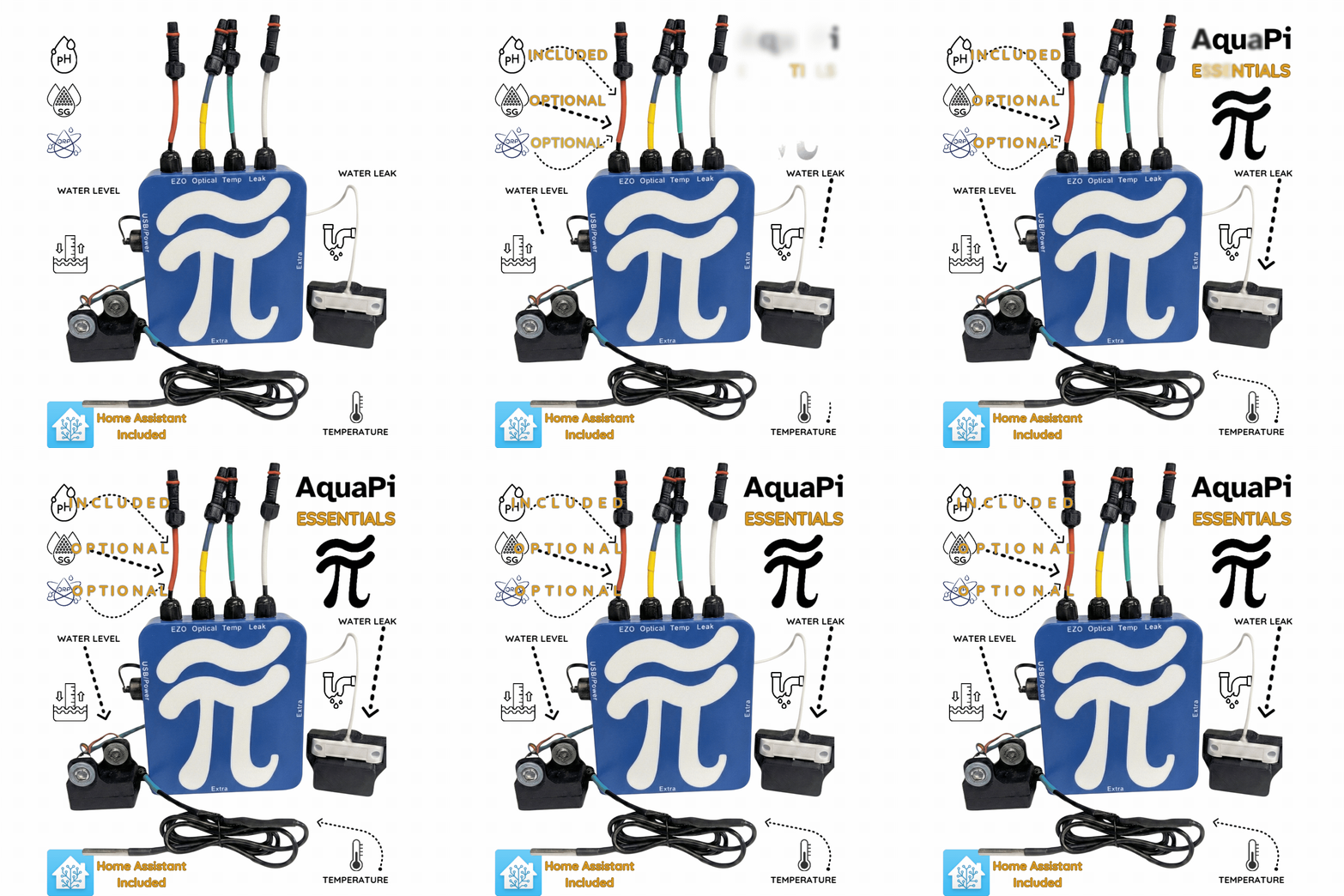
What is AquaPi for ESPHome?
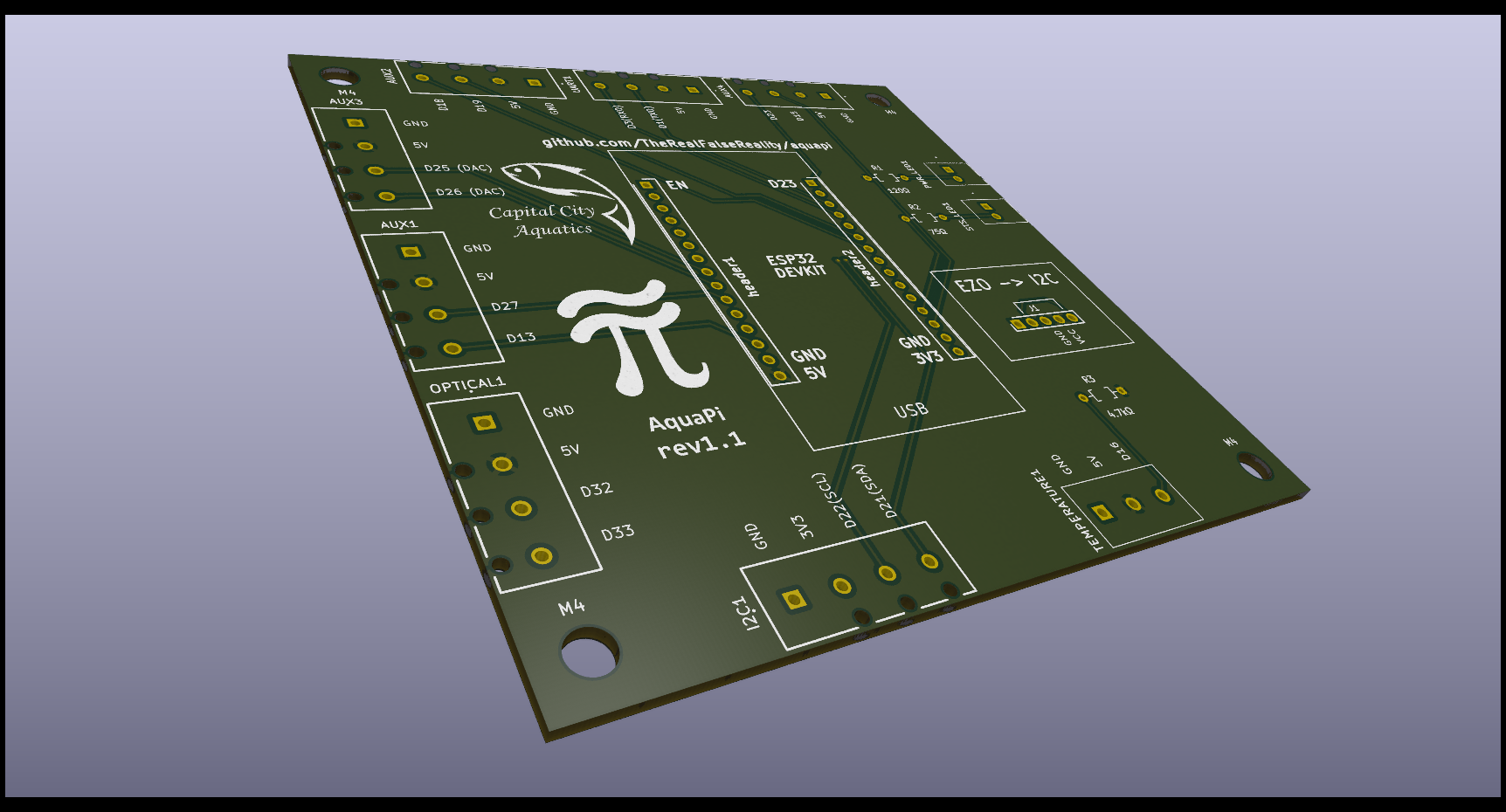
AquaPi for ESPHome is an open-source project that allows you to connect your aquarium to your home automation system. It uses an ESP32 microcontroller and a variety of sensors to monitor your aquarium's water quality and parameters. AquaPi then sends this data to your home automation system, Home Assistant*, where you can view it, set alarms, and create automations. Learn More
Guides on Setup, quick and easy once Home Assistant is established!
Please visit our GitHub Page for much more information on this product!
-
Please note:
AquaPi is a handcrafted product: Each unit is individually made, and as such, comes with no warranty.
Functionality and quality are rigorously tested: Every AquaPi undergoes thorough testing to ensure it functions properly and meets quality standards.
Not intended for all users: While functional, AquaPi might not be suitable for everyone seeking a fully polished consumer product.
Limited support: We offer assistance with troubleshooting basic sensor issues, but cannot provide comprehensive support for Home Assistant or ESPHome configuration.
Built on the foundation of Home Assistant and ESPHome, AquaPi empowers you to:
Monitor key water parameters like temperature, pH, conductivity, and more.
Receive real-time notifications of any critical changes in your aquarium environment.
Automate tasks such as lighting control, temperature regulation, and water flow adjustment.
Build upon the existing platform to create a truly personalized monitoring system
Sensors:
Temperature Probe - EZO-RTD Sensor.
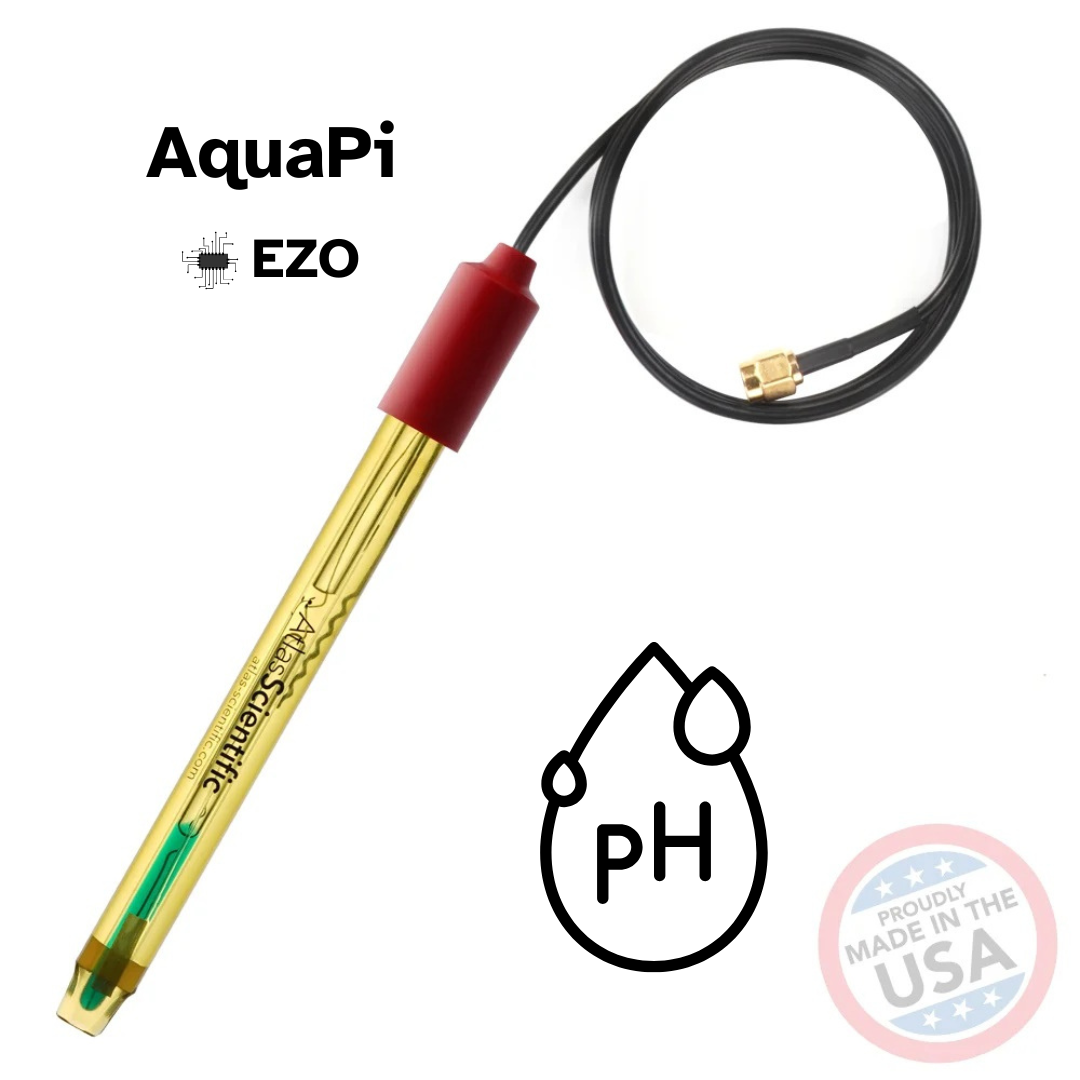
pH: Atlas Scientific EZO-pH™ (Assembled)
-
Open-source: Freely available for anyone to access, modify, and contribute to.
Modular: Designed to be easily expanded and customized based on your specific needs.
Modernized: Utilizes the latest technologies and tools for a seamless user experience.
Customizable: Adapt the system to fit your unique aquarium setup and monitoring preferences.
Versatile: Expand the system's capabilities with your own compatible sensors and equipment.
Affordable: Offers a cost-effective alternative to many high-end monitoring solutions.
Powerful: Provides comprehensive monitoring capabilities for various water parameters..
-
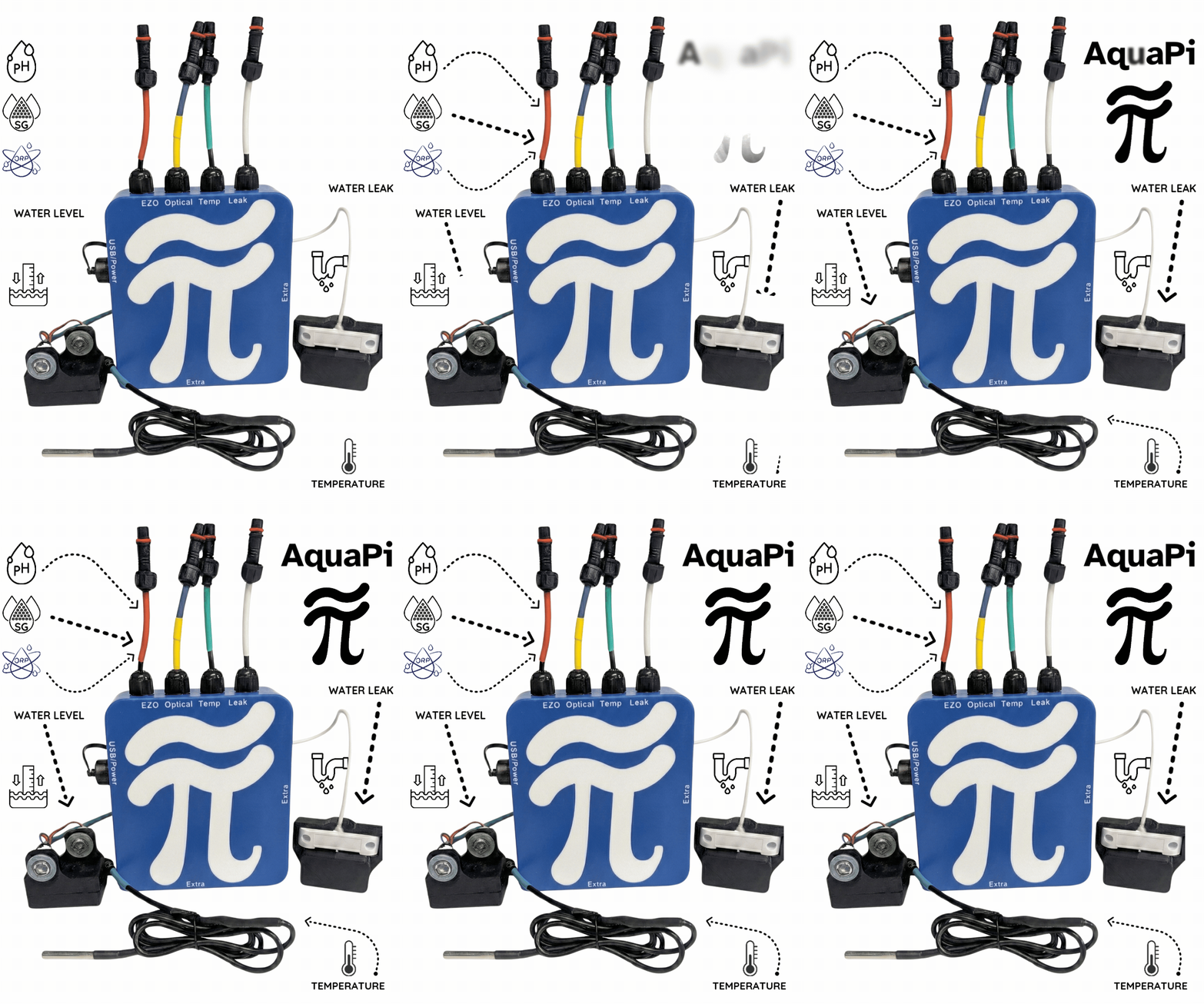
AquaPi can monitor several parameters, including:
Water level
Water leak
Temperature
pH
Salinity
ORP
Dissolved Oxygen
CO2 - Gaseous
O2 - Gaseous
Humidity
and more!
-
Open-Source vs. Proprietary: AquaPi is an open-source project. This means that the design and software are freely available, allowing for community contributions and modifications. In contrast, the Apex Neptune is a proprietary system with closed software.
DIY and Customization: AquaPi is designed for DIY enthusiasts. It uses a modular design with expansion slots, allowing users to add their own sensors and create custom solutions. Apex Neptune, while highly capable, is a more pre-built system with less emphasis on user customization at the component level.
ESPHome and Home Assistant Integration: AquaPi is specifically designed to work with ESPHome and Home Assistant. This gives users the flexibility and power of a general-purpose home automation system for their aquarium. Apex Neptune has its own software and ecosystem.
Cost-Effectiveness: AquaPi is designed to be an affordable aquarium monitoring and automation solution. By leveraging open-source software and readily available components, it can be a more cost-effective option compared to high-end commercial systems like the Apex Neptune.
Focus: AquaPi is primarily focused on monitoring and automation using sensors and integration with home automation systems. While it can control some devices, its strength lies in its data collection, alerting, and automation capabilities within the Home Assistant ecosystem. Systems like the Apex Neptune often include a broader range of built-in control features.
In essence, AquaPi prioritizes flexibility, customization, affordability, and integration with open-source home automation platforms, while systems like the Apex Neptune provide a more comprehensive, pre-built, and supported commercial solution.
-
Home Assistant is an open source home automation that puts local control and privacy first. This is what communicates and displays all your data from AquaPi, and so much more! This is what makes AquaPi different from other controllers. This can integrate with hundreds of other types of equipment and display the data in any way your needs require. While Home Assistant offers integration benefits, it is not a strict requirement for operating AquaPi. If you possess an existing Home Assistant infrastructure, AquaPi can function independently through its integrated web server.
Please note that functionality will be significantly reduced without Home Assistant. You only need 1 Home Assistant Instance to connect to multiple AquaPis. (see documentation).
-
Yes, AquaPi is designed to be flexible, allowing you to add your own sensors and create a custom solution for your aquarium.
-
Effortless Automation for Your Aquarium with AquaPi with Blueprints:
AquaPi empowers you to take complete control of your aquarium environment with intuitive automation. Leveraging the powerful Home Assistant Blueprints functionality, AquaPi simplifies the creation of automations, ranging from basic notifications to complex tasks like automated water changes.
Effortless setup: No coding required! Utilize pre-built Blueprints to automate various aquarium functions.
Customization options: Tailor automations to your specific needs and preferences.
Scalability: Create a comprehensive automation ecosystem for your unique aquarium setup.
Examples of possible automations:
Receive instant alerts: Get notified of any critical changes in water parameters like temperature, pH, or conductivity.
Maintain optimal conditions: Automate tasks like lighting adjustments, temperature regulation, and water flow control (soon).
Simplify routine maintenance: Schedule automated water changes for a hassle-free experience.
With AquaPi and Home Assistant Blueprints, you can create a fully automated and personalized aquarium management system, leaving you more time to enjoy the beauty and tranquility of your underwater world.
AquaPi is the perfect way to take your aquarium to the next level! Get AquaPi today and start monitoring your aquarium's parameters with Home Assistant!
AquaPi is designed to be flexible and scalable, so you can only use the features that you need. Advanced users can also mix and match with other EZO boards, probes, power strips, and lights to create even more complex customizations and automations. When used with Home Assistant, AquaPi's possibilities are endless. We can't wait to see how you use AquaPi to monitor and control your aquarium while making it look stunning!
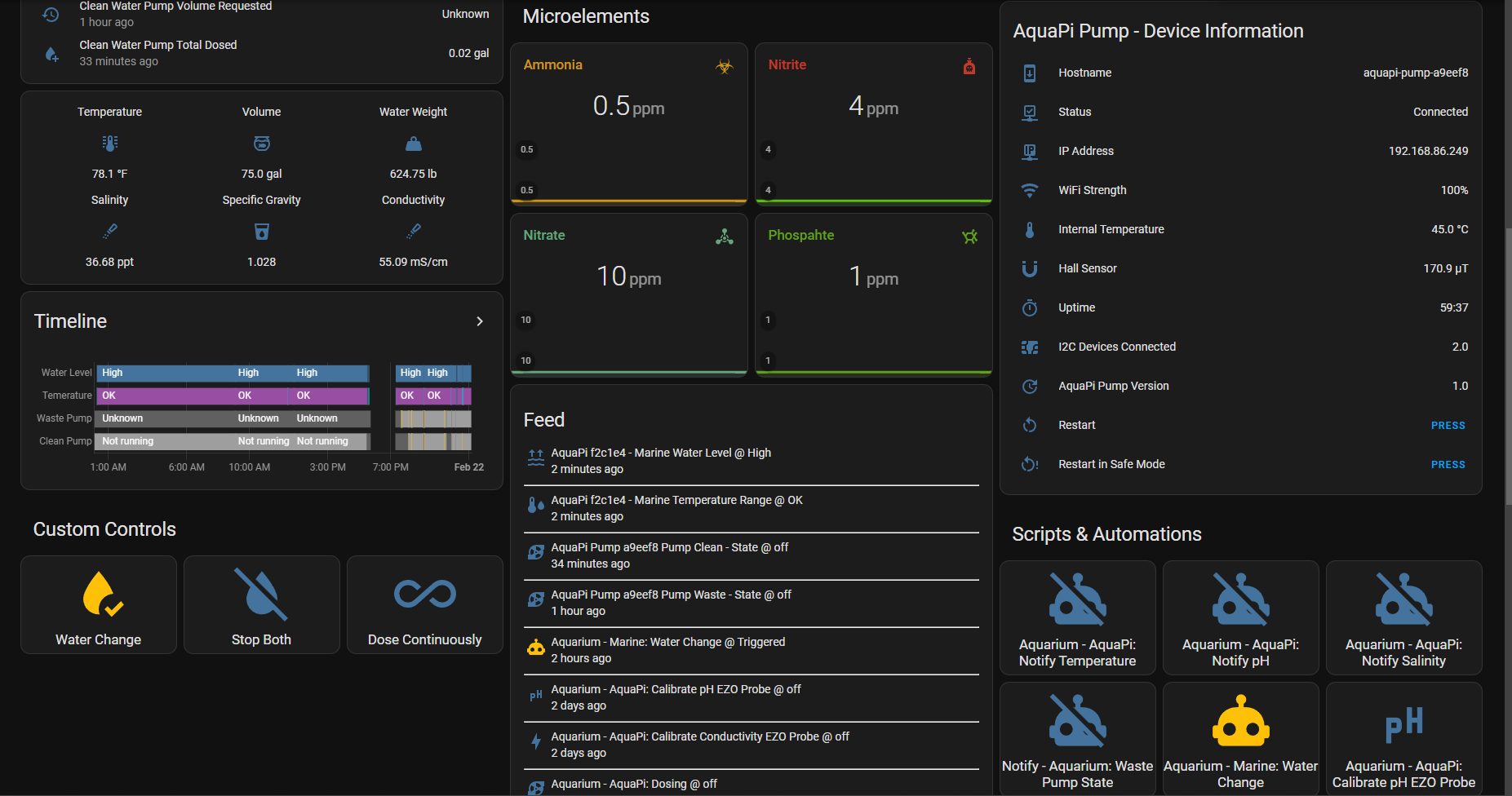
Screenshots:



Software Used:
HomeAssistant: Open source home automation that puts local control and privacy first.
ESPHome: A system to control your ESP8266/ESP32 and RP2040 by simple yet powerful configuration files and control them remotely through Home Automation systems.
More Information:
View our GitHub to give us more information, ideas, feedback or help the project out!